Overview
Chlorocresol, also known as 4-chloro-3-methylphenol or p-chloro-m-cresol, is an antimicrobial preservative used in pharmaceutical, veterinary, and cosmetic formulations. It is a chlorinated phenolic compound with established antibacterial and antifungal activity. In formulation practice, chlorocresol is used mainly as a preservative ingredient in regulated products. In veterinary regulated product use, it may also function as a functional ingredient in selected topical preparations, while in oral and parenteral products it is more commonly used as a preservative excipient.
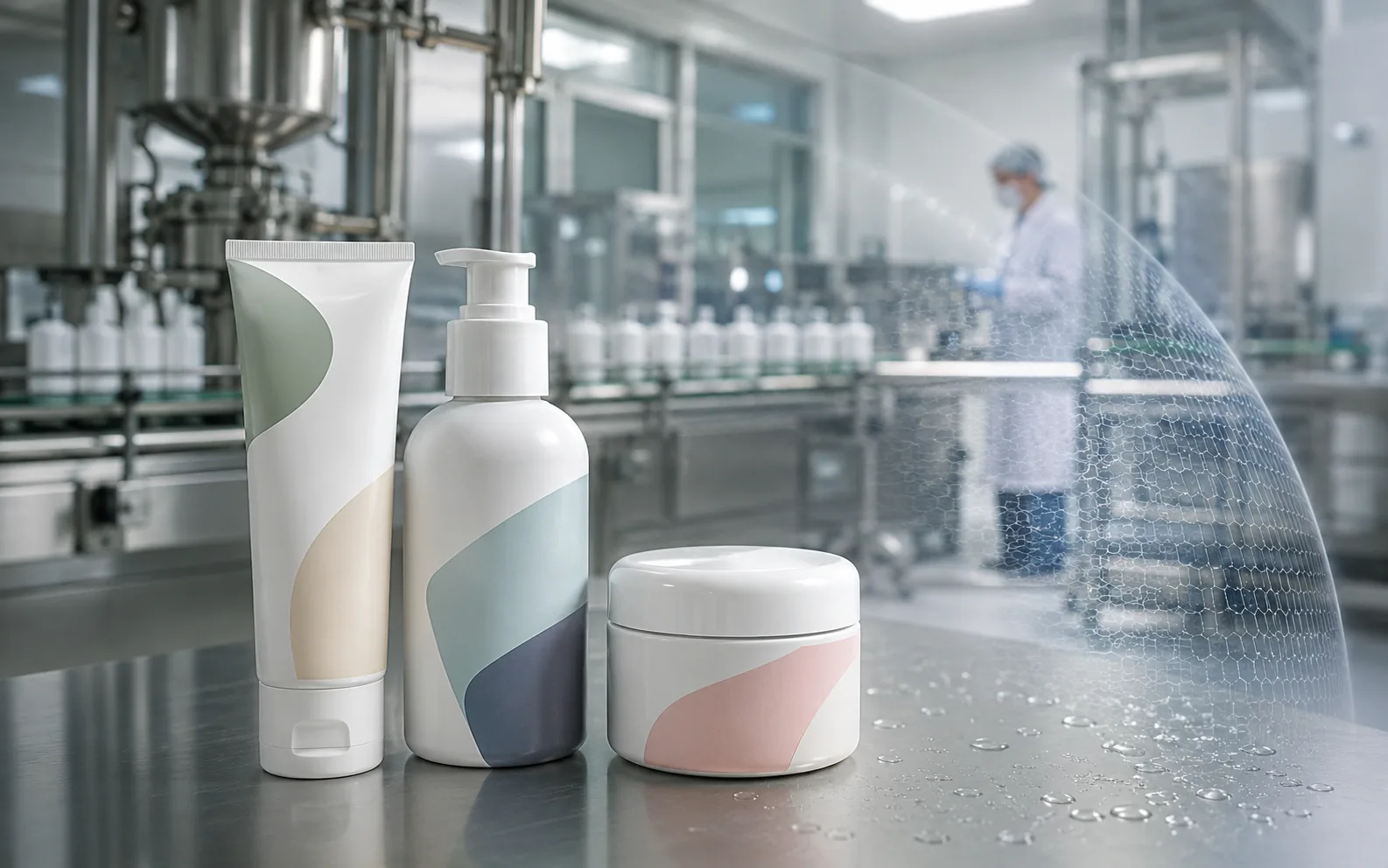
Chlorocresol is used in formulations where protection against microbial contamination is required. It is applied in both human and veterinary regulated products, as well as in cosmetics, to help maintain microbiological quality during storage and use. It is found in topical creams, gels, and veterinary injections, confirming its relevance across different dosage forms and end uses.
Supply context
Supply and documentation support
BHM Chemicals is a supplier of high quality Chlorocresol suitable for use in pharmaceutical, veterinary, and cosmetic formulations.
Minimum order quantity: 25 kg
Overview
Chemically, chlorocresol belongs to the group of chlorinated phenols. Its antimicrobial performance has made it a useful formulation ingredient for many years, especially in preserved aqueous and semi-solid systems. Chlorocresol is widely used as a preservative raw material in pharmaceutical, veterinary, and cosmetic products where microbiological stability is important.
Typical B2B use areas
Pharmaceutical formulations
Chlorocresol is used as a preservative in human regulated products, especially in topical formulations. It is found in products such as dermatological creams, gels, and other externally applied pharmaceutical preparations where protection against microbial growth is required.
Veterinary formulations
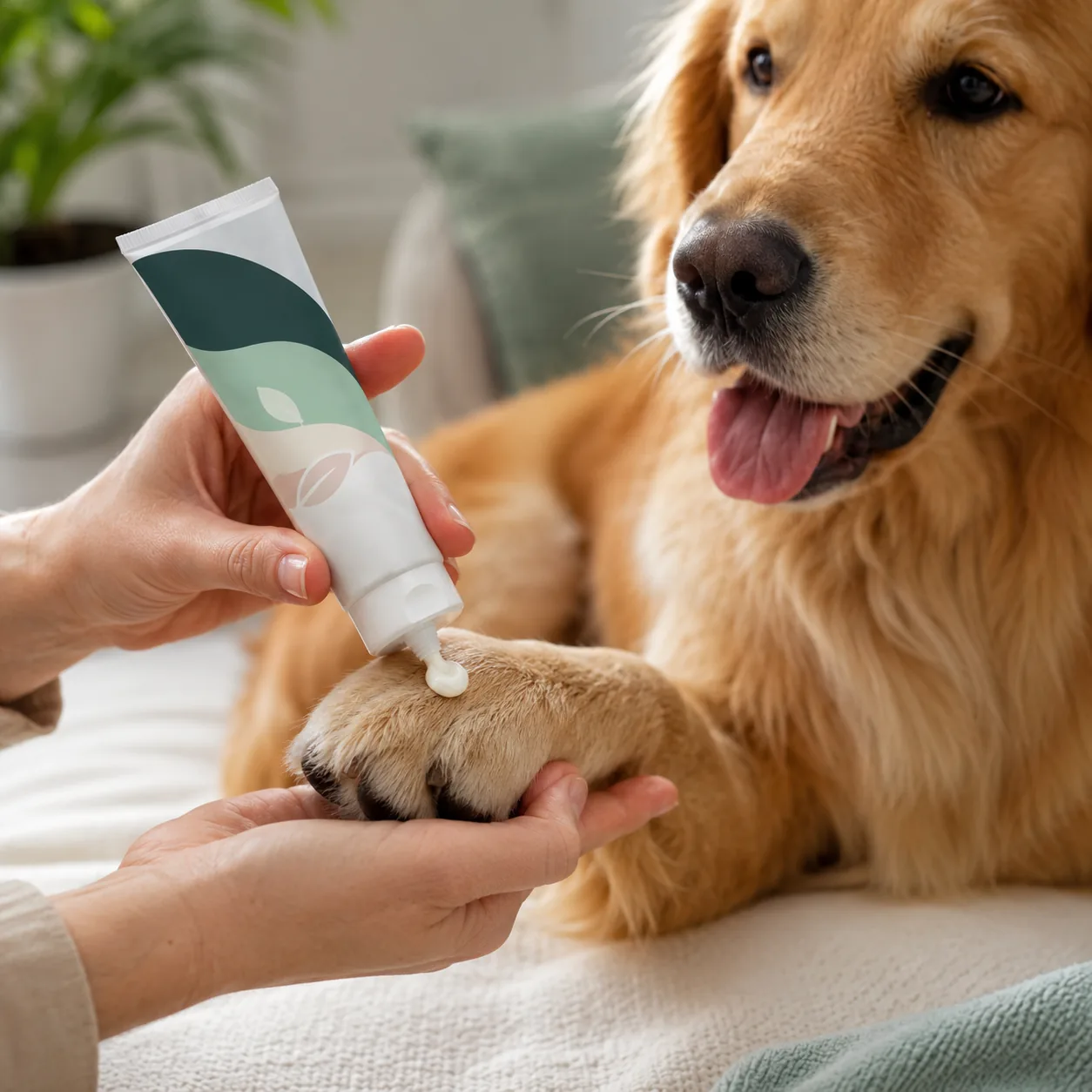
Chlorocresol has a well-established role in veterinary regulated products. It is used as a functional ingredient in some topical veterinary products and as a preservative in selected oral and parenteral preparations. It is also used in veterinary injections and topical creams, making it a versatile ingredient for veterinary formulation.
Cosmetics and personal care products
Chlorocresol is also used as a preservative in cosmetic and personal care products. It is suitable for formulations where antimicrobial protection and product stability are required, subject to the regulatory conditions applicable to the target market and product category.
Raw material profile
Antimicrobial activity
Chlorocresol shows activity against gram-positive and gram-negative bacteria as well as fungi. At the concentrations typically used in preserved formulations, its effect is mainly bacteriostatic, while higher levels may be used in selected topical applications.
Effective at low use levels
Chlorocresol is effective at relatively low concentrations in many preserved formulations. Typical product-level use ranges include approximately 0.1-0.2% in some oral and parenteral veterinary products and up to 0.5% in selected topical veterinary preparations, depending on the formulation and regulatory requirements.
Established formulation use
Chlorocresol remains a relevant preservative in modern formulations. It is used in topical human regulated products, veterinary products, and cosmetic preparations where microbiological protection and formulation stability are required.
Handling and regulatory note
Chlorocresol should be used in accordance with the relevant pharmacopoeial, cosmetic, veterinary, and local regulatory requirements for the intended market. In veterinary applications, its role may vary depending on the product, functioning either as a preservative excipient or as a functional ingredient in selected topical formulations.
Supply summary
Chlorocresol is an important preservative ingredient for manufacturers working with regulated formulations. Its established antimicrobial preservative function, documented use in pharmaceutical, veterinary, and cosmetic products, and practical relevance in topical and preserved multi-dose systems make it a valuable raw material for formulation use.