Overview
Acriflavine is an acridine dye compound with established use as a specialty acridine dye and as a laboratory dye for controlled professional applications. In commercial and regulatory sources, the name acriflavine may refer to a defined grade or to a related acridine-dye mixture, which is why precise grade identification is important.
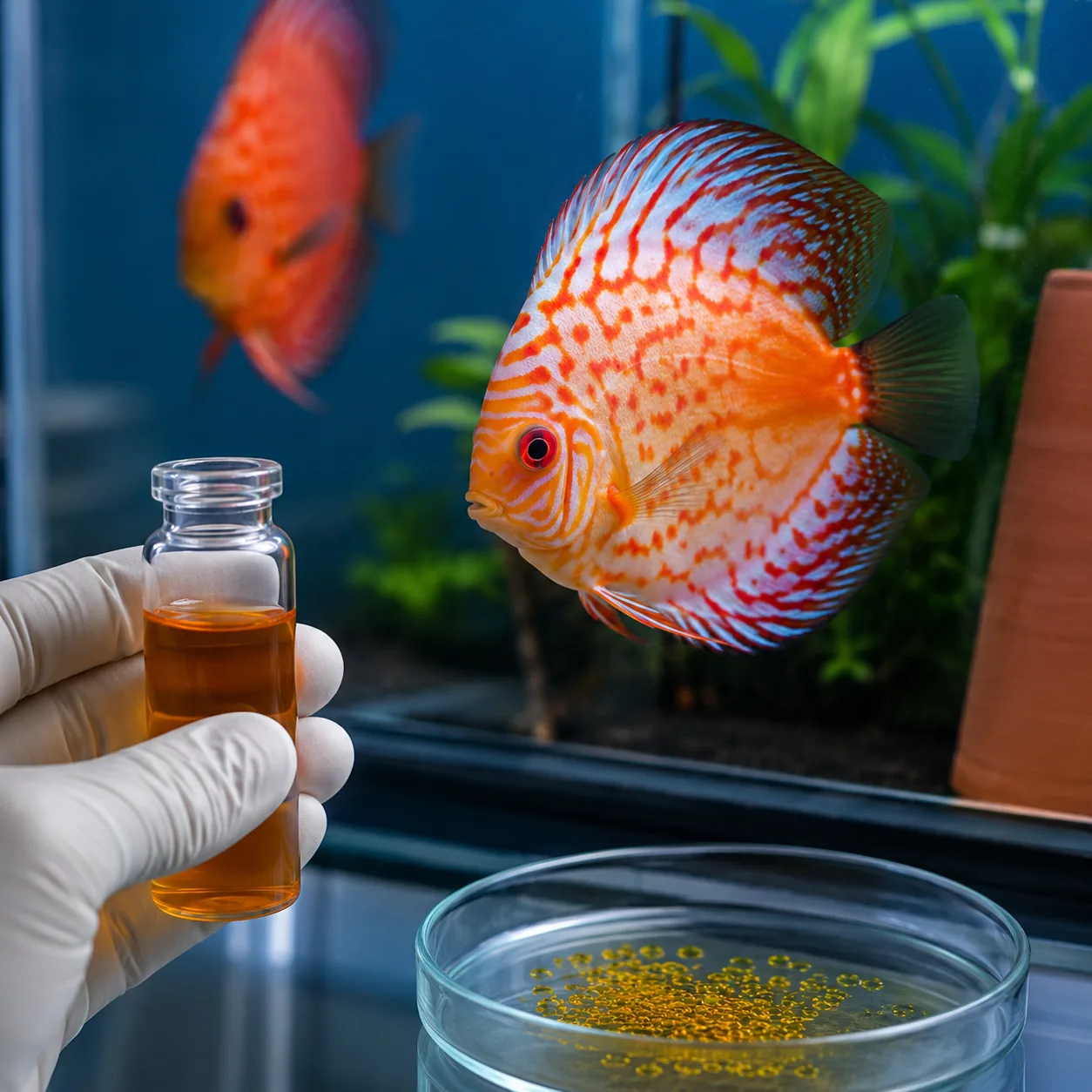
In veterinary and aquarium applications, acriflavine is used in preparations intended for the external-use ornamental fish formulation contexts. It is also used in products designed to help limit fungal growth on fish eggs before hatching.
In laboratory and biochemical work, acriflavine is used as a fluorescent dye and biological stain for nucleic-acid-related applications. Commercial research sources describe its use for staining DNA and RNA and for fluorescent labeling of high molecular weight RNA.
Supply context
Supply and documentation support
BHM Chemicals handles enquiries for two Acriflavine grades: Acriflavinium Chloride Ph. Eur. and Acriflavine Hydrochloride in conformity with BPC 1963 specifications. Grade suitability should be assessed against the intended use and documentation.
Minimum order quantity: 10 kg
Overview
Acriflavine has long been valued where functional dye performance and formulation properties are both important. Depending on the grade, it is used in veterinary formulations, laboratory reagents, and other professional applications where consistent quality and clear grade identification are required. Regulatory and scientific sources classify acriflavine-related substances as acridine dyes and specialty laboratory materials.
Typical B2B use areas
Veterinary preparations
Acriflavine is used in veterinary and aquarium products intended for ornamental fish, especially where external-use formulation requirements are involved. It is also used in formulations for fish eggs where controlled formulation requirements apply.
Laboratory and research use
Acriflavine is widely used as a fluorescent dye in research laboratories. Commercial laboratory references describe its use for staining nucleic acids, including DNA and RNA, and for labeling high molecular weight RNA.
Technical and specialty use
As an acridine dye, acriflavine combines colorant properties with biological activity, making it useful in specialized technical and scientific applications where defined quality and reliable documentation are essential.
Raw material profile
Defined grades matter
Acriflavine terminology is not always used consistently across the market. Some sources describe acriflavine as a mixture related to acriflavinium compounds and proflavine, while acriflavine hydrochloride is also sold as a separately identified grade. For this reason, product naming should always stay closely aligned with the exact specification being offered.
Suitable for aqueous systems
Commercial sources for these grades describe acriflavine and acriflavine hydrochloride as water-soluble materials used in aqueous laboratory systems. This makes them practical for many veterinary and research formulations.
Recognized fluorescence properties
Acriflavine is used in fluorescence-based laboratory work, with documented excitation and emission characteristics in different solvents. This supports its value in analytical and biochemical applications.
Documentation and handling note
As with other acridine dyes, acriflavine should be handled in accordance with the applicable Safety Data Sheet and local regulatory requirements. Safety classifications for commercial grades indicate that appropriate care is required during storage, handling, and use.
Supply summary
Acriflavine remains an important specialty ingredient for veterinary and laboratory use. Its relevance comes from the combination of established use in ornamental fish and laboratory applications and recognized utility as a fluorescent nucleic-acid dye in research. When presenting the product commercially, the strongest approach is to focus on exact grade, clear specification, documented applications, and professional handling standards rather than broad functional or safety claims.